Logistics for Operating a Bar on a Music Festival Site.
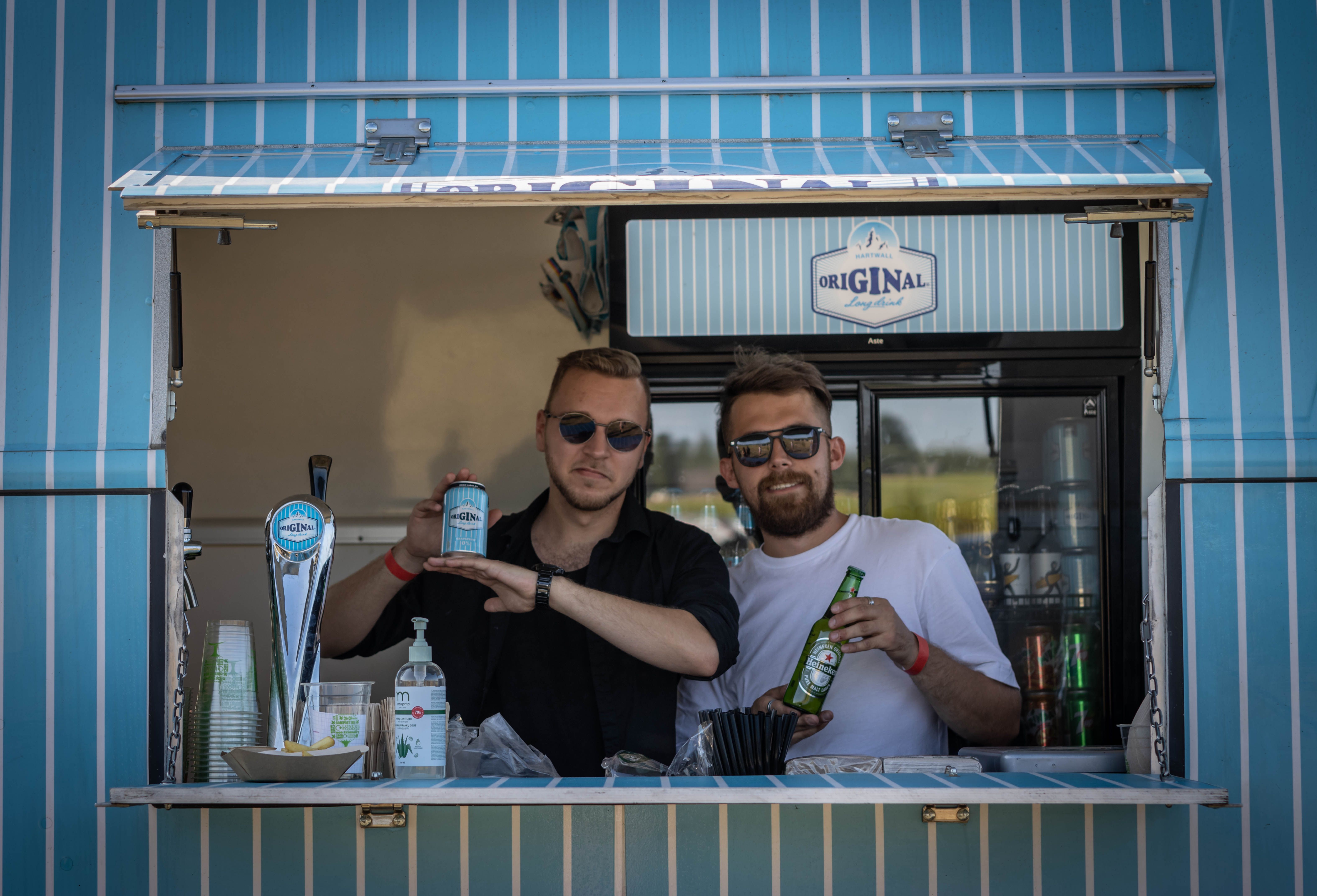
Operating a bar on a music festival site is a challenging prospect that requires thorough logistics planning and implementation. A festival site provides a high-volume throughput of customers, often compressed into small time periods. What do bar vendors need to consider when applying to operate a bar on a music festival site.
Running a festival site bar is not as simple as setting up a temporary counter and simply serving alcoholic drinks. There are numerous operational aspects that need to be considered from licensing and revenue deals to infrastructure and stock control, for example. Any failure in bar operations can lead to long queues, customer complaints, and lost revenue.
Vendor Approval Process and Revenue Deals.
The process for bar operators to get access to a festival site will vary depending on the geographical location, size of event, and festival organiser preferences. Large scale music festivals often award an exclusive concession to a reputable bar operator, usually based on experience, revenue share deals and competitive bids. A medium sized smaller event may have an open application process for all vendor types where multiple bar operators are applying for pitch spaces. It is increasingly common to find some festival organisers running hybrid systems with a mixture of non-exclusive concessions and independent bar operators. Almost all festival organisers will push for a revenue share deal with bar operators because of the high sales volumes and margins available. A fixed concession fee arrangement puts financial risk on the bar operator, but organisers may miss out on potential revenue. Organisers usually prefer a percentage of turnover deal where they receive typically 15% of gross revenue or request a fixed minimum sum guarantee plus a lower percentage over an agreed higher turnover. Whatever deals are agreed, it requires robust contracts with specified responsibilities and accurate POS reporting to verify sales turnover.
Licensing and Compliance.
The operation of a festival site bar will usually require the bar operator to hold an appropriate licence that allows them to sell alcohol. Conditions of these licences require legal compliance with sales limited to festival-goers over the legal drinking age, which often needs age verification processes to be in place. Other licence conditions can include refusal to serve intoxicated customers and compliance with strict operating hours. Organisers may require bar operators to comply with sustainability initiatives which can include the use of reusable cups or having a deposit return scheme to avoid plastic waste, for example. Most bars require water supplies for cleaning which in turn generates waste greywater that needs to be collected through a pumped wastewater line fed to a bulk container for removal at the end of the event.
Location and Infrastructure.
Organisers will need to plan the location of bars on a festival site very carefully to maximise crowd safety and access to electricity and water supplies. Bars can generate sizable queues during busy periods, and this needs to be considered when deciding on the location. This needs to be balanced with requirements for easy access from performance areas with sufficient space for efficient queue management where emergency access routes are maintained. Due to the high turnover of stock, bars need to be located where they have easy access to accept deliveries without impacting service areas or disrupting festival operations. In addition to electricity and water supplies, the bar needs to have internet connectivity to enable all POS systems to operate seamlessly. Bar staff will also need to take responsibility for cleaning and effective waste management to ensure hygiene levels are maintained throughout the event. Security is also a key consideration for bars and is especially important where stocks are stored, behind the bar out of sight. A robust secure environment for stock needs to be implemented to avoid unnecessary losses due to theft.
Other Operational Considerations.
As most sales are now cashless using RFID wristbands, these systems need to be tested before the event opens to ensure everything works. A backup payment process also needs to be in place should connectivity fail on the festival site. If the bar serves keg and draught beers, there will be a requirement to have refrigerated storage and keg cooling systems. If these are powered by the site's electricity supply, it may be prudent to have backup generators in the event of a power failure. In addition to cooling, the keg systems also require CO2 or other dispensing gases to operate with constant supervision and maintenance. Pressure settings need to be monitored, and lines need to be regularly cleaned. The bar should have suitably trained staff who will often be required to work in shifts due to extended operating hours. Operators also need to anticipate the potential busy periods, usually between artist sets for example. This enables them to have sufficient stocks and additional staff to handle increased demand.
For festival organisers planning their next event using a software management platform like Festival Pro gives them all the functionality they need manage every aspect of their event logistics. The guys who are responsible for this software have been in the front line of event management for many years and the features are built from that experience and are performance artists themselves. The Festival Pro platform is easy to use and has comprehensive features with specific modules for managing artists, contractors, venues/stages, vendors, volunteers, sponsors, guestlists, ticketing, site planning, cashless payments and contactless ordering.
Image by Anni Uulma via Pexels
<< Back to articles
Contact us
Get in touch to discuss your requirements.
US: +1 424 485 0220 (USA)
UK: +44 207 060 2666 (United Kingdom)
AU: +61 (2) 8357 0793 (Australia)
NZ: +64 (0)9887 8005 (New Zealand)